Harappa is open to visitors, and the museum reopened its galleries with new dioramas this year. Put your city in the route box above for the drive, then check the live weather beside it. The Sahiwal plain swings from mild winter days to over 40 degrees in summer.
Harappa museum timings, tickets and what is open
One ticket covers the museum and the open mounds. Buy it at the museum, see the galleries first, then walk out to the ruins while the light is soft.
Harappa ticket price for Pakistanis and foreigners
There is no fee notification on the Punjab archaeology website, which was down for maintenance when we checked on 13 November 2026. The figures below are the rates listed by Punjab’s tourism corporation. Treat them as a guide and confirm at the counter.
| Item | What we found | Status |
|---|---|---|
| Ticket, Pakistani visitors | Rs 20 | Listed by the tourism corporation, not confirmed for 2026 |
| Ticket, foreign visitors | Rs 500 | Listed by the tourism corporation, not confirmed for 2026 |
| Students and school groups | No separate rate published | Ask at the counter |
| Free entry days | Free on World Heritage Day, 18 April 2025 | Announced each year, not guaranteed |
| What the ticket covers | Museum galleries and the excavated mounds | As listed |
Harappa Museum timings and closed days
Visitor guides put the museum’s hours at about 9 am to 4 pm, with a break for Friday prayers. We could not confirm the 2026 timings or a weekly closing day with the archaeology department. Reach the gate by mid morning, so you are not caught by an early close.
What you will find at the site
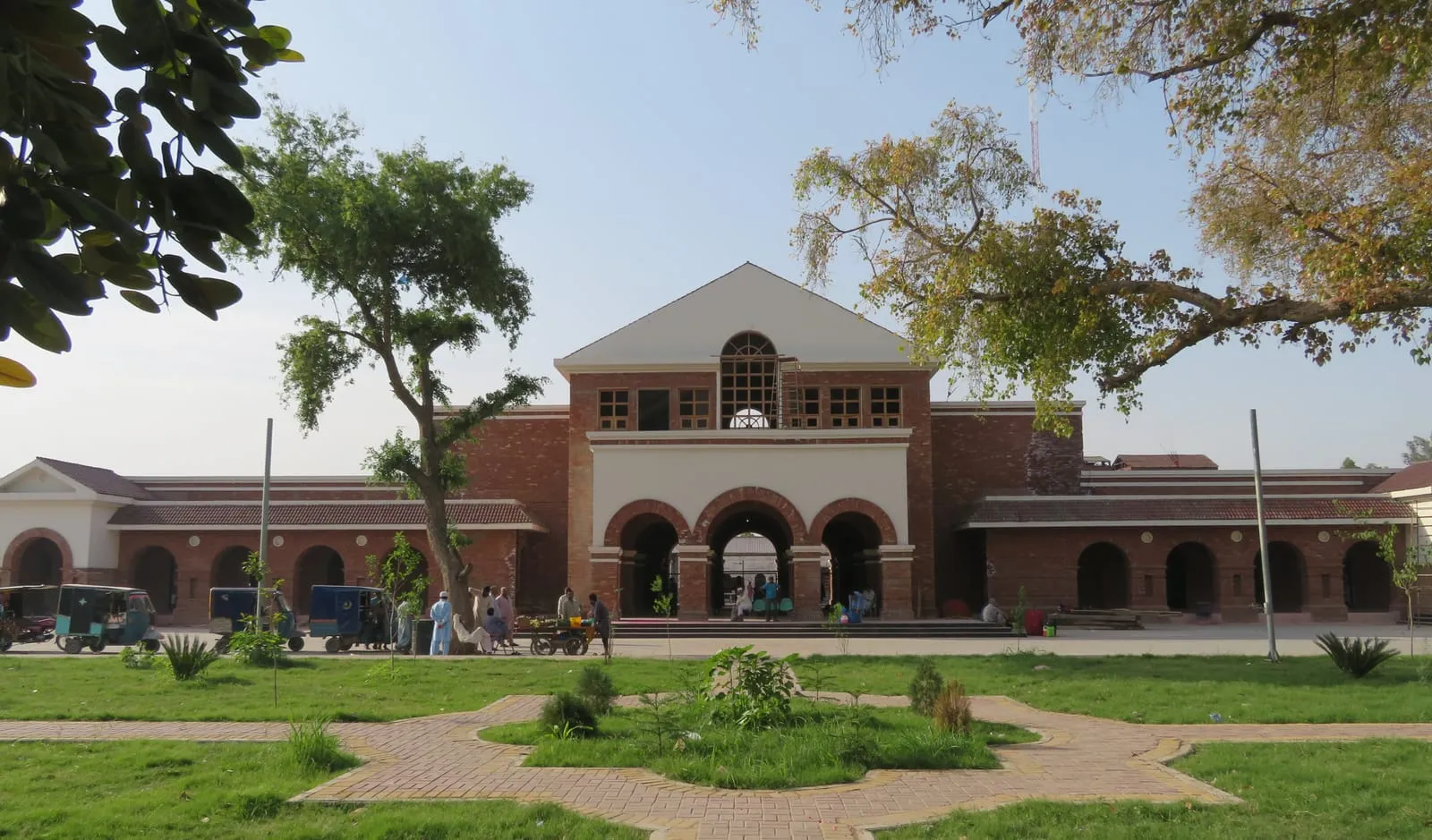
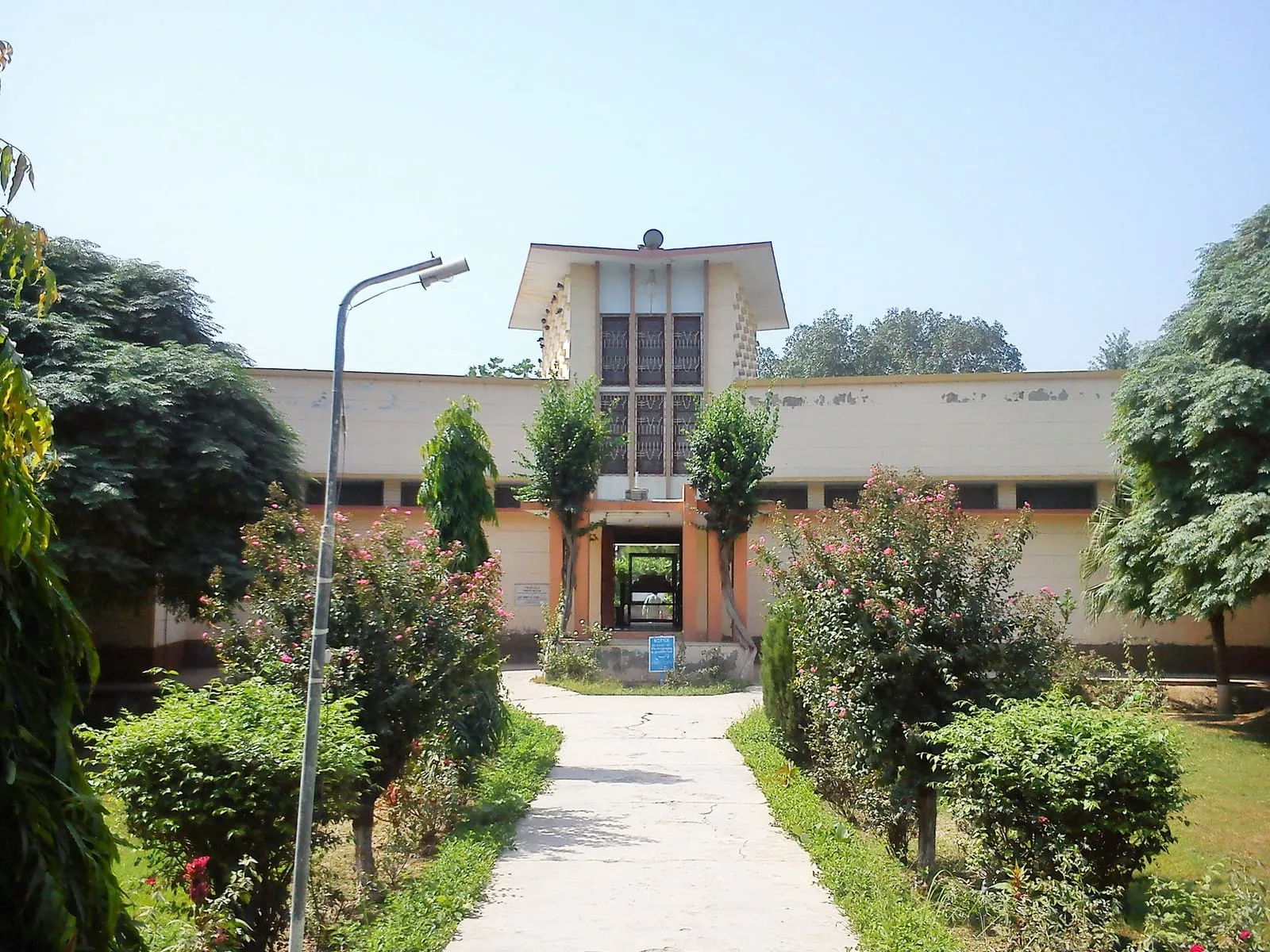
The museum stands on Chichawatni Harappa Road, at the edge of the mounds. In September 2025 the Punjab government opened four new galleries there. A short film the department released on 31 August 2026 shows dioramas of daily life in the old city. Paths now run between the main excavated areas, and signboards mark each mound.
Best time to visit Harappa
Harappa sits on the open plain at about 170 metres above sea level. There is no shade on the mounds, and summer here is brutal. The table shows the last ten years of daily readings for the site, averaged by month.
| Month | Average high | Average low | Rain (mm) |
|---|---|---|---|
| January | 18.8°C | 6.8°C | 17 |
| February | 23.6°C | 10.0°C | 14 |
| March | 28.5°C | 15.3°C | 35 |
| April | 35.8°C | 20.9°C | 13 |
| May | 39.6°C | 25.3°C | 14 |
| June | 40.0°C | 28.4°C | 44 |
| July | 37.1°C | 28.5°C | 102 |
| August | 36.5°C | 28.2°C | 61 |
| September | 35.9°C | 26.1°C | 25 |
| October | 33.6°C | 20.5°C | 10 |
| November | 27.3°C | 13.8°C | 5 |
| December | 22.0°C | 8.4°C | 3 |
Our averages of ERA5 reanalysis daily data for the site, 2016 to 2025, via Open-Meteo.
The hottest day in those ten years reached 47.1 degrees. July brings most of the rain, about 100 mm, and the brick paths turn slippery after a storm. For today’s conditions in nearby cities, our weather page has the live readings.
The road to Harappa from Lahore, Multan and Sahiwal
Harappa is easy to reach because it sits beside Pakistan’s oldest trunk route. The N-5 runs past it between Lahore and Multan, and the railway follows the same line.
Harappa distance from Lahore
From Lahore you take the N-5 Multan Road south west through Pattoki and Okara. The fields open out on both sides, with wheat in winter and cotton in summer. After about 150 km you pass Sahiwal. A little further west you leave the highway for Harappa Road, and the last 23 km run through villages to the mounds. The whole drive is about 195 km, which routing apps put at two and a half hours without stops.
Harappa from Multan, Faisalabad, Islamabad and Karachi
| From | Road distance to Harappa | Driving time, no stops | Main route |
|---|---|---|---|
| Sahiwal | 24 km | About 25 minutes | Harappa Road |
| Chichawatni | 24 km | About 20 minutes | Local roads |
| Okara | 63 km | About 1 hour | N-5, then Harappa Road |
| Faisalabad | 110 km | About 2 hours | Samundri road, then Harappa Road |
| Multan | 160 km | About 2 hours 10 minutes | N-5 through Khanewal and Chichawatni |
| Lahore | 195 km | About 2 hours 35 minutes | N-5, then Harappa Road |
| Islamabad or Rawalpindi | 433 km | About 5 hours 40 minutes | M-2 and M-4 to Faisalabad, then south |
| Karachi | 1,039 km | About 12 hours | Motorways to Multan, then the N-5 |
Distances and times were measured on OpenStreetMap routing on 13 November 2026. Our petrol price page gives today’s rate if you want to cost the round trip.
Harappa by train and bus
Harappa railway station is on the main line between Lahore and Karachi, about 7 km from the museum. Few express trains stop there, so most travellers take a train or coach to Sahiwal instead. From Sahiwal, local transport and rickshaws run out to Harappa. We found no published fare for that last leg, so agree the price first.
Walking Harappa today, mound by mound
Step past the museum and the ground rises under your feet. These low hills are not natural. They are 13 metres of the city’s own rubble, built up over two thousand years.
Mound AB, the high city
Mound AB is the tallest part of Harappa, on the west of the site. Its builders raised it on massive mud brick platforms and walled it in. The centre was rebuilt again and again in ancient times. Look for the large drains here, and the brick wells that once served the people living on top.
Mound E and ET, the walled town
To the south east lies Mound E, with its extension ET. This was a separate walled town of homes, streets and workshops. Excavations here exposed gateways where carts and traders came in, and the waste of bead and shell workshops. Walk slowly and you can still trace the lines of house walls in the ground.
Mound F and the so called granary
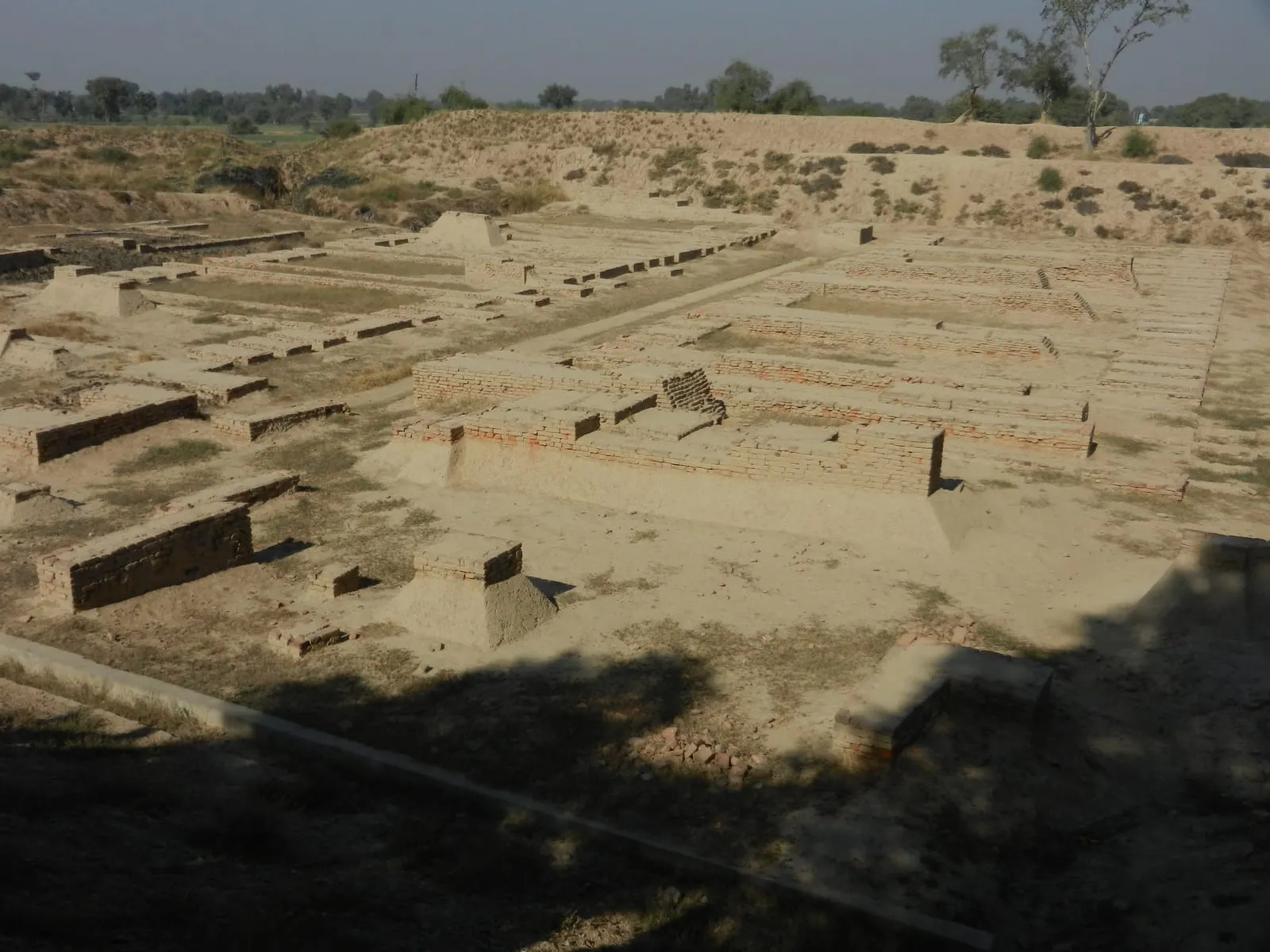
North of Mound AB is Mound F. Its most famous building stands on a massive brick foundation more than 45 metres long on each side. Mortimer Wheeler called it a granary in 1946. Later excavators found no clear proof that grain was stored there, and many now call it the Great Hall. Rows of brick walls with air channels between them are still clearly visible.
The circular platforms and workmen’s quarters
Below the hall are round brick platforms set inside small, almost square rooms about 5.5 metres across. Madho Sarup Vats found 17 of them, Wheeler found an 18th in 1946, and another came to light in 1998. They were long thought to be for threshing grain. The newer work found no sign of grain, and the excavators now suggest a task that used water, possibly dyeing with indigo. The rows of small houses nearby were labelled workmen’s quarters, though nobody knows who really lived there.
Wells, drains and baked bricks
Harappa’s builders used fired bricks of standard proportions, and you will see them everywhere. Wells were lined with wedge shaped bricks, which lock into a strong circle. Drains carried waste water out of houses and along the streets. Where the soil has been dug away, a well shaft can stand up like a brick column.
Cemetery R37 and Cemetery H
South of Mound AB lie the graves. Cemetery R37 holds burials from the city’s prime, with the dead laid out with pots beside them. K. N. Sastri and H. K. Bose found it in 1937 to 1938 and dug four seasons up to 1940 to 1941. Cemetery H is younger and belongs to the Late Harappan centuries. Its painted burial jars are so distinctive that a whole culture is named after them.
House walls of baked brick exposed in the excavations, September 2014.Ess ech, CC BY-SA 3.0, via Wikimedia Commons
Brick foundations beside the visitor path, September 2014.Shamshad Hussain, CC BY-SA 3.0, via Wikimedia Commons
Visitors at a deep excavated area of brick walls, January 2007.M.sohailtariq, CC BY-SA 3.0, via Wikimedia Commons
Worn baked bricks in an excavated floor, September 2014.Shamshad Hussain, CC BY-SA 3.0, via Wikimedia Commons
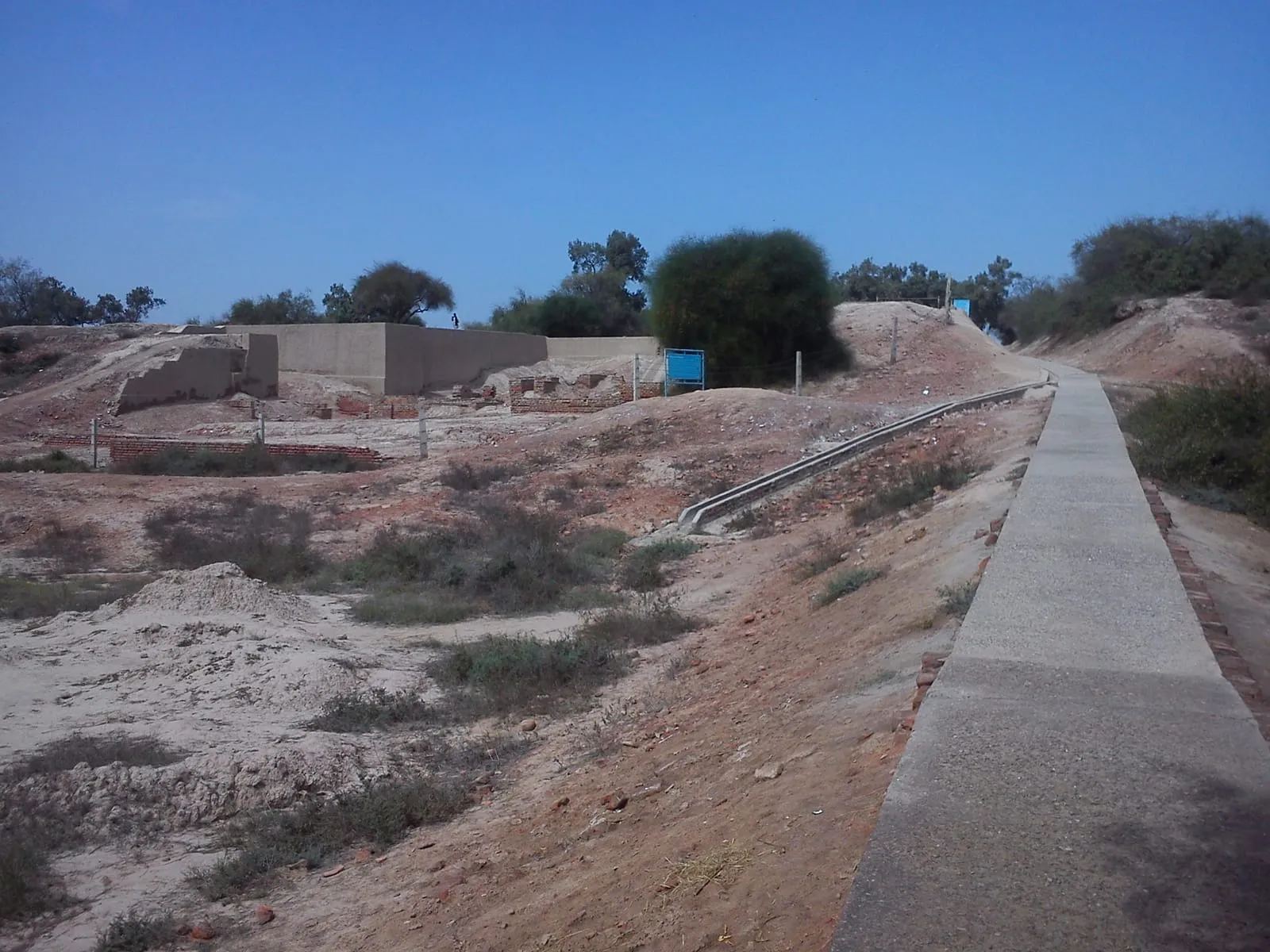
The walkway between the excavated areas and an unexcavated mound, September 2014.Shamshad Hussain, CC BY-SA 3.0, via Wikimedia Commons
Large ring stones displayed on a brick floor at the site, January 2007. Their use is still debated.M.sohailtariq, CC BY-SA 3.0, via Wikimedia Commons
Arched brick niches at Harappa, far younger than the Indus city, which did not build true arches.Ess ech, CC BY-SA 3.0, via Wikimedia Commons
A day in Harappa, around 2300 BC
Now picture the same ground forty three centuries ago. The Ravi runs close by, wide and brown. Boats tie up below the walls, and ox carts creak in through the gateway of Mound E with bundles of cotton cloth.
The bead maker’s lane
In a workshop on Mound ET, a craftsman drills a long carnelian bead, turning a fine stone drill for hours. Next door, a worker cuts bangles from conch shell brought up from the Makran or Kutch coast. Lapis lazuli, agate and amazonite also reach the city, carried in from far away. Faience, a glazed paste, comes out of small kilns in bright blue and green.
Seals and the unread script
A merchant presses his square stone seal into wet clay over a bale, so the buyer knows it has not been opened. The seal shows a one horned animal and a short line of signs. That script has about 400 signs and is still not read today. Vats recovered 350 seals and inscribed objects at Harappa in his 1926 to 1927 season alone. Marks on Ravi phase pottery here are among the earliest signs that later became the script.
Weights and the market
In the market, a trader sets cubes of polished chert on a balance. Indus weights were standardised across the whole civilization. They rise in a binary series for small loads, 1, 2, 4, 8 and up, then in decimal steps for heavy goods. The same weights turn up from Harappa to the coast.
Trade with Mesopotamia
Some of this trade went much further. Cotton textiles and farm goods left the Indus cities, and their seals and beads have been found in Mesopotamia and Elam. Mesopotamian texts name a distant land called Meluhha, which most scholars identify with the Indus region. Gold and copper may have come from as far south as present day Karnataka in India.
How many people lived in Harappa
Estimates vary because most of the city is still unexcavated. Each season of the American and Pakistani project in the 1990s opened only about half a percent of the site.
| Estimate | Period | Source |
|---|---|---|
| About 23,500 people | Mature Harappan, 2600 to 1900 BC | A lower estimate cited in reference works |
| 60,000 to 80,000 people | The city at its largest | Jonathan Mark Kenoyer, cited in a 2025 study |
| About 15,000 people | Modern Harappa village | An older local count |
The 2025 Antiquity study, built on 1,144 plant samples from the site, describes Harappa growing from a village into a city of that size over about 1,500 years.
Five phases and 2,400 years of Harappa
Harappa did not appear overnight, and it did not vanish in one day. The excavators divide its life into five periods, each one buried under the next.
| Period | Phase | Dates | Size of the settlement |
|---|---|---|---|
| 1 | Ravi phase | About 3700 to 2800 BC | About 25 hectares |
| 2 | Kot Diji phase | About 2800 to 2600 BC | Over 27 hectares |
| 3 | Harappan phase | About 2600 to 1900 BC | About 150 hectares |
| 4 | Transitional | About 1900 to 1800 BC | Shrinking |
| 5 | Late Harappan | About 1800 to 1300 BC | Smaller and scattered |
Harappa Archaeological Research Project figures, as published.
The Ravi phase village
The first farmers settled here around 3700 BC, beside the river. They made handmade pottery and worked beads, and their pots carry the first scratched signs. Early estimates put the village at 7 to 10 hectares, later revised to about 25.
The Kot Diji phase town
From about 2800 BC the settlement grew into a walled town. Planned streets appear, and the town begins to trade across the plains.
The Harappan phase city
From about 2600 BC Harappa became a true city of about 150 hectares. This is the city of standard bricks, seals, weights, wells and drains. Its mounds spread over more than a square kilometre of the plain.
Late Harappan and the slow fade
After about 1900 BC the city shrank. Writing and the big drainage works fell out of use. The climate of the region grew drier, the Ravi shifted away and long distance trade faded. Wheeler’s idea of an invasion is not supported by later digs, which found no layer of destruction. Skeletons from the later phases show more injuries, about 15.5 percent, which hints at harder times.
Rediscovering Harappa, from 1826 to today
For centuries, people living here simply knew the mounds as old ground full of bricks. The modern story of the site is also a story of loss.
- 1826Charles Masson describes the mounds
The first European account of the ruins.
- 1831Alexander Burnes passes by
Another early traveller's report.
- 1853 and 1856Cunningham visits
The future head of the Archaeological Survey of India examines the site.
- Late 1850sBricks taken for the railway
Contractors building the Lahore Multan line quarry the mounds for ballast.
- January 1921Daya Ram Sahni starts digging
The first large excavation, with a trench across Mound F.
- 1926Site museum founded
A small museum opens beside the mounds.
- 1926 to 1934Madho Sarup Vats
Years of excavation, published in two volumes in 1940.
- 1946Mortimer Wheeler
Excavates the defences and names the granary.
- 26 March 1967New museum building
The present Harappa Museum opens.
- 1986HARP begins
The Harappa Archaeological Research Project starts its seasons.
- 30 January 2004UNESCO tentative list
Pakistan submits the site for future nomination.
- June 2028Restoration project deadline
Tentative. The Rs 1.42 billion project is due to finish.
Masson, Burnes and Cunningham
Charles Masson, a deserter turned explorer, reached Harappa in 1826 and described its brick ruins. Alexander Burnes followed in 1831. Alexander Cunningham came in 1853 and 1856, and dug briefly in 1872 to 1873. He examined a stone seal with signs he could not read, without guessing its true age.
The railway that ate a city
In the late 1850s, engineers building the railway between Lahore and Multan needed ballast. Harappa’s baked bricks were the easiest source, and the mounds were quarried on a large scale. Cunningham estimated that the bricks supplied ballast for about 100 miles of track. Whole layers of the upper city were lost.
Sahni, Vats and Wheeler
Daya Ram Sahni began the first large excavation in January 1921, cutting a 152 metre trench across Mound F. His work, with the finds at Mohenjo Daro, revealed a civilization nobody had known. Madho Sarup Vats dug from 1926 to 1934. Wheeler returned in 1946 and excavated the walls of Mound AB.
| Years | Excavator | Main work |
|---|---|---|
| 1872 to 1873 | Alexander Cunningham | Small trial digs |
| 1920 to 1921 | Daya Ram Sahni | First large excavation, Mound F trench |
| 1926 to 1934 | Madho Sarup Vats | Granary, platforms, Cemetery H, many seals |
| 1937 to 1941 | K. N. Sastri and H. K. Bose | Cemetery R37 |
| 1946 | Mortimer Wheeler | Defences of Mound AB, granary |
| From 1986 | HARP, with Pakistan’s archaeology department | Phases, crafts, Ravi and Kot Diji levels |
HARP since 1986
In 1986 George F. Dales of the University of California, Berkeley, restarted work with Jonathan Mark Kenoyer as co director, alongside Pakistan’s Department of Archaeology. After Dales died in 1992, Kenoyer and Richard Meadow of Harvard led the project. Its work pushed the start of Harappa back to the Ravi phase and showed how the city grew.
Harappa Museum and the new plans for the site
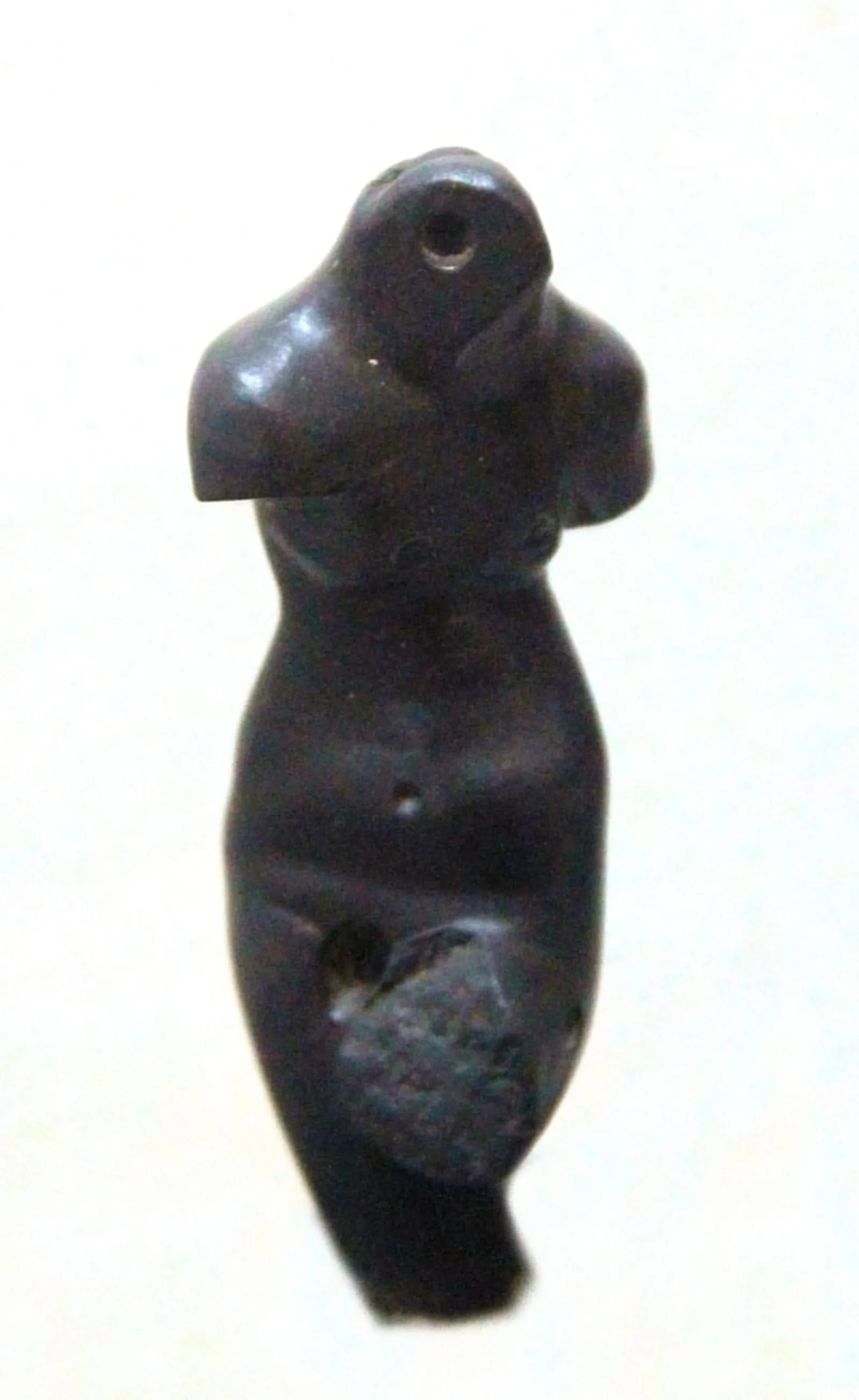
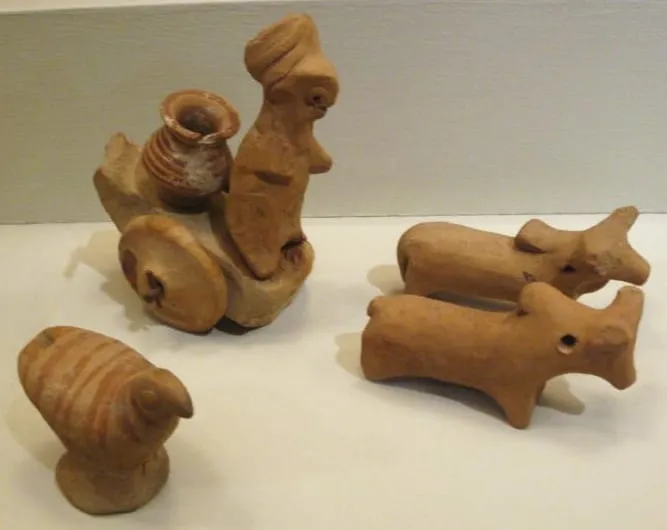
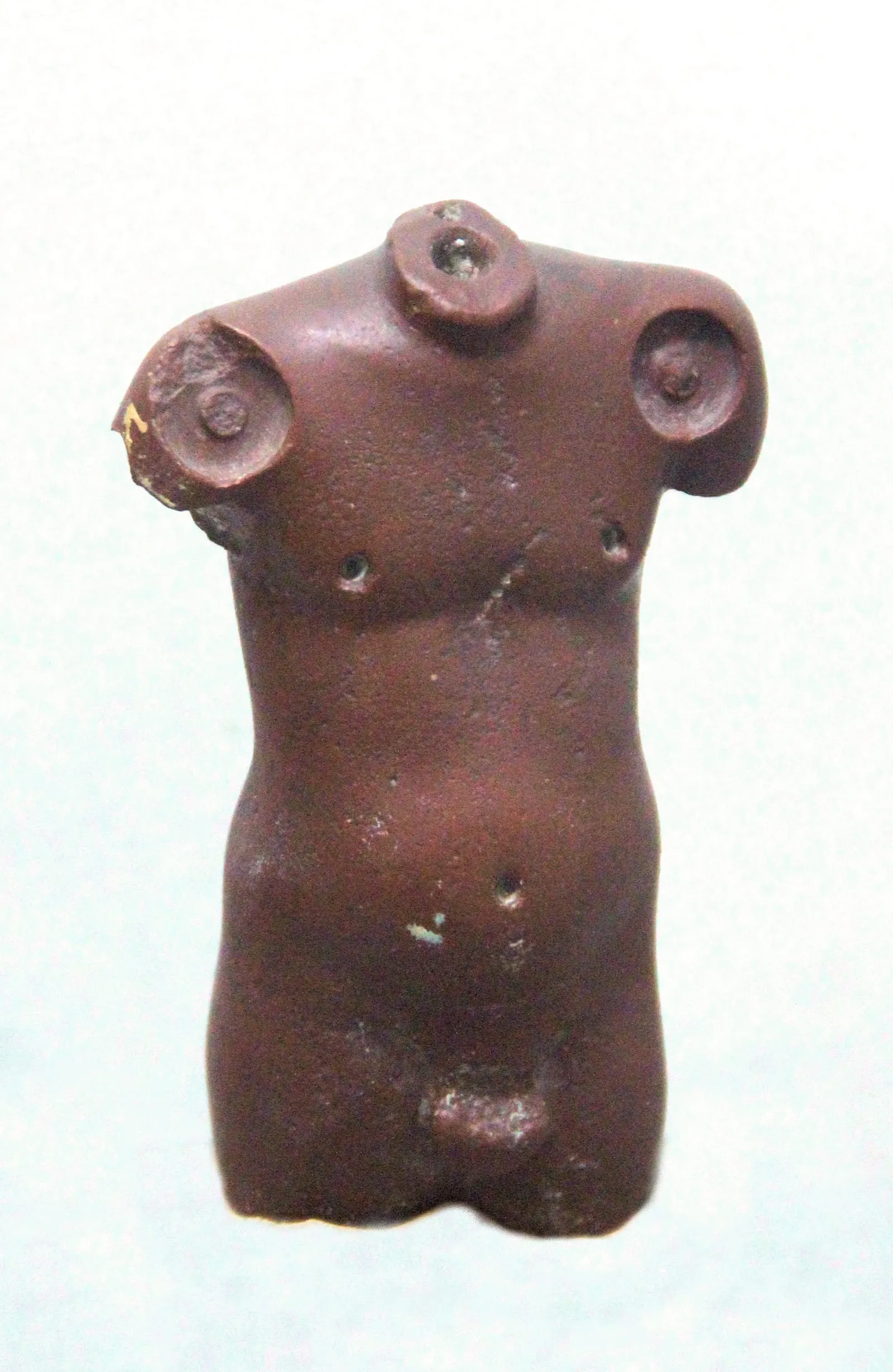
The museum was founded in 1926 and moved to its present building on 26 March 1967. It holds copper and bronze tools, terracotta figurines and toys, ornaments of shell and ivory, pottery and skeletons from the cemeteries.
Four new galleries and the 2026 museum film
On 16 September 2025, Senior Minister Marriyum Aurangzeb opened four new galleries. They tell the city’s story with modern displays, according to the Director General of Archaeology, Zaheer Abbas Malik. This one minute film from the Punjab tourism, archaeology and museums department shows the dioramas inside.

The Rs 1.42 billion restoration plan
On 29 September 2025 the Punjab government approved a Rs 1.42 billion project for Harappa. It covers repair and restoration until June 2028, a watchtower over the ruins, hologram displays, a model village and rooms for tourists. In July 2025 Harappa was also named among 60 priority heritage sites, alongside Taxila and Bhera.
A caravanserai found in 2025
Excavations at Harappa in November 2025 uncovered a 16th century caravanserai, a walled stop for travellers. It had resting rooms and a water tank, with clay figurines, toy carts and bangle pieces among the finds. Punjab’s archaeology secretary, Dr Ehsan Bhutta, linked it to the road and post network of the Sher Shah Suri era. The province has set aside Rs 800 million for digs at four historic sites.
UNESCO tentative list and legal protection
Pakistan placed Harappa on its UNESCO tentative list on 30 January 2004, under criteria ii and iv. It has not been nominated in full. At home, the site is owned by the federal government and listed as a protected site under the Antiquities Act of 1975, amended in 1992.
Threats to the mounds
Brick robbing in the 1850s did the worst damage. A 2005 plan for an amusement park beside the ruins was dropped after artefacts turned up in the ground. Rain, salt in the soil and visitors climbing the walls still wear the bricks away. Stay on the paths and never take a brick or a sherd home.
Planning your Harappa day from Sahiwal
Sahiwal, 24 km east, is the nearest city, with 538,344 people in the 2023 census. It is the natural base for an overnight trip. The wider district counted 2,881,811 people, and a list of proposed new provinces circulating in 2026 places it in a Central Punjab unit.
Where to stay and eat
We found no official hotel list or rate card for Sahiwal. The city has hotels and restaurants along its main roads, and Harappa village has small shops and tea stalls. Carry water and a snack to the site, especially from April to October.
A half day plan
Start at the museum when it opens. Spend about an hour in the galleries, then walk Mound F, the platforms and Mound AB before noon. Visitors who also want the cemeteries and Mound E should allow three to four hours in total.
More trips from here
If Harappa leaves you wanting mountains instead of plains, our Naran Kaghan guide covers the valley road north, lake by lake.

Frequently asked questions
Where is Harappa located?
Harappa lies in Sahiwal District of Punjab, about 24 km west of Sahiwal city by road. The ruins sit beside the modern village of Harappa, south of an old dry bed of the Ravi River, which now flows about 8 km to the north.
Who discovered Harappa?
Charles Masson was the first European to describe the mounds, in 1826. Alexander Cunningham visited in 1853 and 1856, but the real excavation began only in January 1921, under Daya Ram Sahni of the Archaeological Survey of India.
How old is Harappa?
The first village on the site dates to about 3700 BC, according to the Harappa Archaeological Research Project. The great city flourished from about 2600 to 1900 BC, and smaller Late Harappan settlement continued until about 1300 BC.
What is the entry fee of Harappa Museum?
Punjab's tourism corporation lists Rs 20 for Pakistanis and Rs 500 for foreigners, covering the museum and the site. We could not find a 2026 notification confirming these rates, so carry some extra cash and confirm the price at the counter.
How far is Harappa from Lahore?
Harappa is about 195 km from Lahore by road, mostly on the N-5 through Okara and Sahiwal, then Harappa Road for the last stretch. Routing apps show about two and a half hours without stops, and traffic usually adds more.
Why is Harappa famous?
Harappa was the first city of the Indus Valley Civilization to be excavated, so the whole civilization is often called Harappan after it. At its peak it covered about 150 hectares, with planned streets, brick houses, wells, drains and workshops.
Is Harappa a UNESCO World Heritage Site?
Not yet. Pakistan placed the Archaeological Site of Harappa on its UNESCO tentative list on 30 January 2004, but it has not been inscribed. The site is protected under Pakistan's Antiquities Act of 1975, as amended in 1992.
Why did the Harappan civilization decline?
There was no single collapse. After about 1900 BC the climate grew drier, rivers such as the Ravi shifted, long distance trade faded and the script fell out of use. Later digs found no evidence of the invasion Wheeler once proposed.
Last updated: